
The places we inhabit have their origins in the past. Cities were towns, towns, villages. Before shopping malls were fields and farmland. There is a connection back in time to the first settlements, and beyond. But there are places that are different, that had no future. Places that were abandoned, and eventually forgotten. Dogtown is one such place, which I learned about only after I had moved to Gloucester. As it turned out, the edge of Dogtown was in my very own backyard.
Over the past twenty years I have spent hundreds of hours exploring the old roads and trails, stonewalls, and cellar holes of Dogtown, abandoned granite quarries in Lanesville and Pigeon Cove, rock ledges of Poles Hill and Red Rocks, and even a few spots along the coastline, just off shore. The following articles describe the amazing places I have discovered (or rather rediscovered) in and around Cape Ann, a place I am grateful to call home.
-
The Fate of Three Places in Dogtown: Part 3 – The Hilton House

Dogtown Commons, an early Gloucester settlement, declined after the Revolutionary War, leaving remnants like old roads and cellar holes. This article details three homes from the settlement, including that of Liz Tucker and her cousin Judy Rhines. Their history reflects Dogtown’s lost heritage, awaiting rediscovery beneath the recently developed landscape.
-
The Fate of Three Places in Dogtown: Part 2 – The Clark House
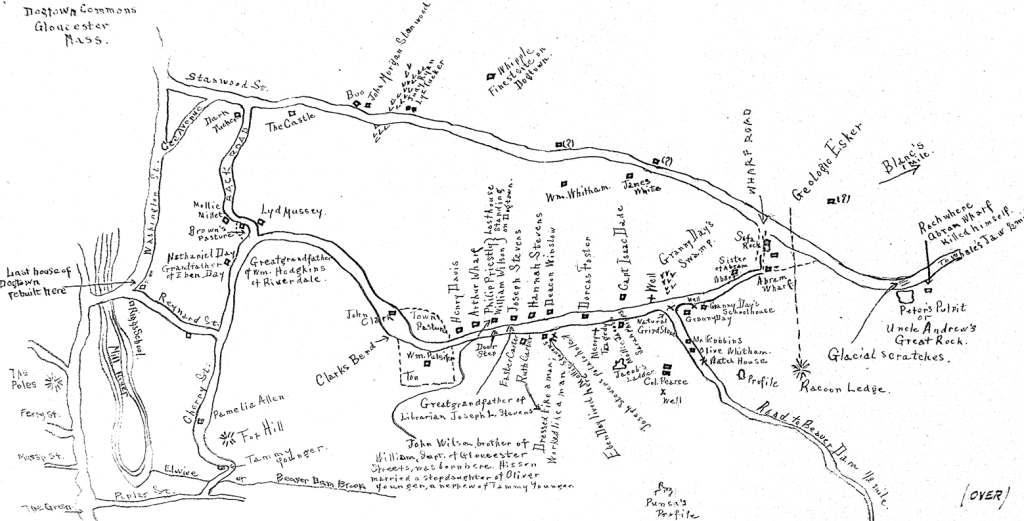
Dogtown Commons, an early Gloucester settlement, became abandoned post-Revolutionary War, leaving only stone walls and cellar holes. This article explores the significance of forgotten homes and commemorates local poet Hiram Rich’s imagery-rich poem remembering a fallen patriot. Dogtown faces neglect despite its historical value, raising concerns about preservation efforts.
-
The Fate of Three Places in Dogtown: Part 1 – The Stanwood House

Dogtown Commons, one of Gloucester’s first settlements, became abandoned as maritime trades grew post-Revolutionary War. Remnants like roads and walls remain, and this article begins a series on notable homes in Dogtown’s history. It explores the Stanwood house, its inhabitants, and the area’s decline in the late 18th century.
-
Preserving Dogtown: A Matter of Trust?
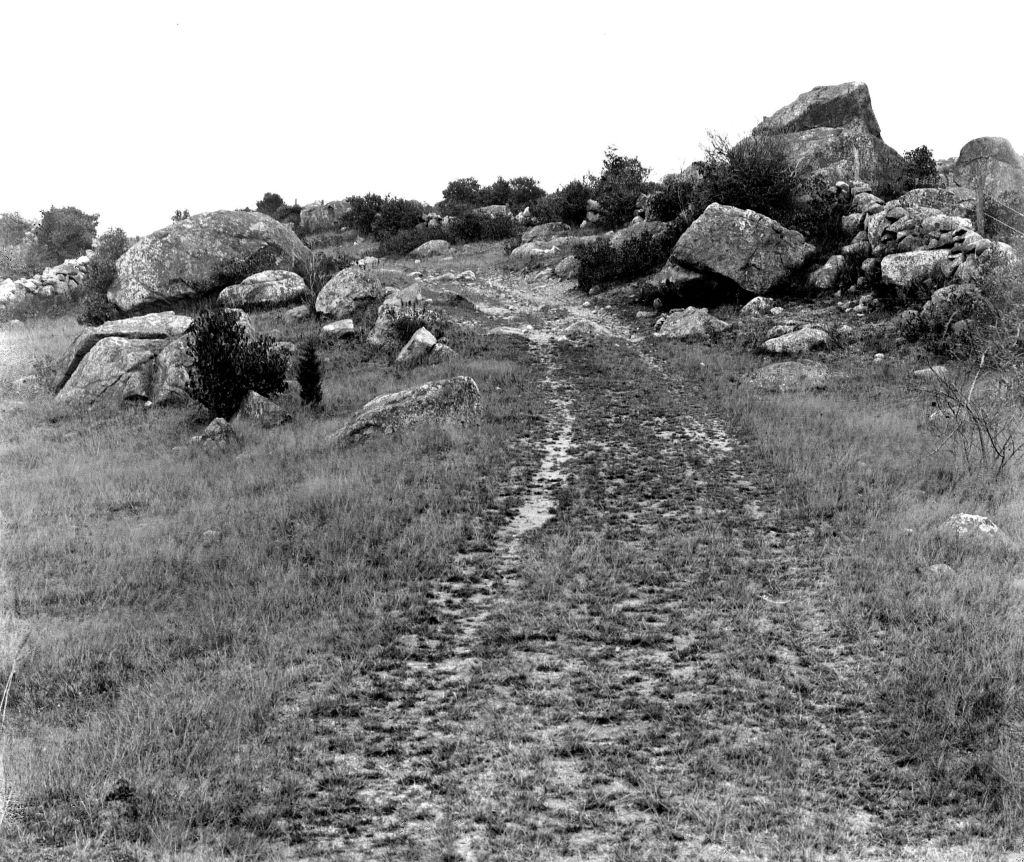
The article discusses ongoing debates about the development and preservation of Dogtown, emphasizing historical land acquisitions and public opinions. While some protective measures have been implemented, such as Article 97, concerns remain about potential development that could fragment the area. The Dogtown Preservation Commission aims to balance these competing interests.
-
The Story of Dogtown from a Satellite’s Perspective
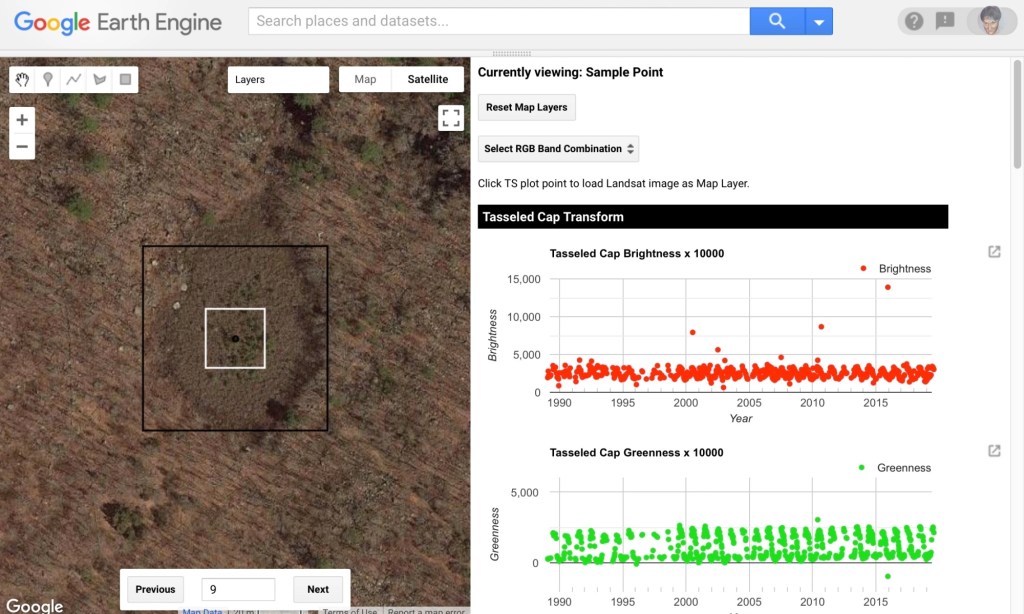
A 2018 survey by the Public Archaeology Laboratory documented Dogtown’s historical and cultural resources, while earlier natural features were mapped in 1985. Boston University researchers, utilizing Landsat satellite data, aimed to analyze ecological changes in Dogtown, inspired by oral histories from Charles Mann’s “The Story of Dogtown.”
-
The Future of Dogtown

Dogtown, previously supported by groups like Dogtown Advisory Committee, faces uncertainty due to lack of vision after the 2019 National Registry nomination failure. Concerns arise over potential development by the City of Gloucester on historically significant land, despite Article 97 protections. Current conservation efforts are limited, risking future land use changes.
-
The Two Towers: A Closer Look at a Historical Landscape

Fitz Henry Lane’s painting, The Babson Meadows at Riverdale, depicts a lost pastoral landscape featuring historical landmarks like the Riverdale Methodist Church. The work hints at past flagpoles on Poles Hill and Squam Rock, sparking exploration into their potential navigational purposes and the mystery surrounding their existence and alignment.
-
Turtle Rocks: Another Possibility?

Haskins Park in Rockport features two rock piles known as Turtle Rocks, believed to be remnants of the former Haskins hospital or possibly ancient markers. While some theories suggest these stones could be memorials or align to geomagnetic north, evidence points to their construction being simpler, possibly by Swedish stonemasons as burial cairns.
-
Discover Dogtown – The First Digital Map of Dogtown

After moving to Cape Ann in 2003, the author mapped historical sites in Dogtown, publishing a guidebook in 2007. A 2015 grant led to the creation of a digital map, preserving trails and points of interest. The new Discover Dogtown map excludes private land areas, but includes historical features and locations.
-
There’s an iPhone at the Bottom of the Sea: Experiments in Underwater Time-Lapse Photography
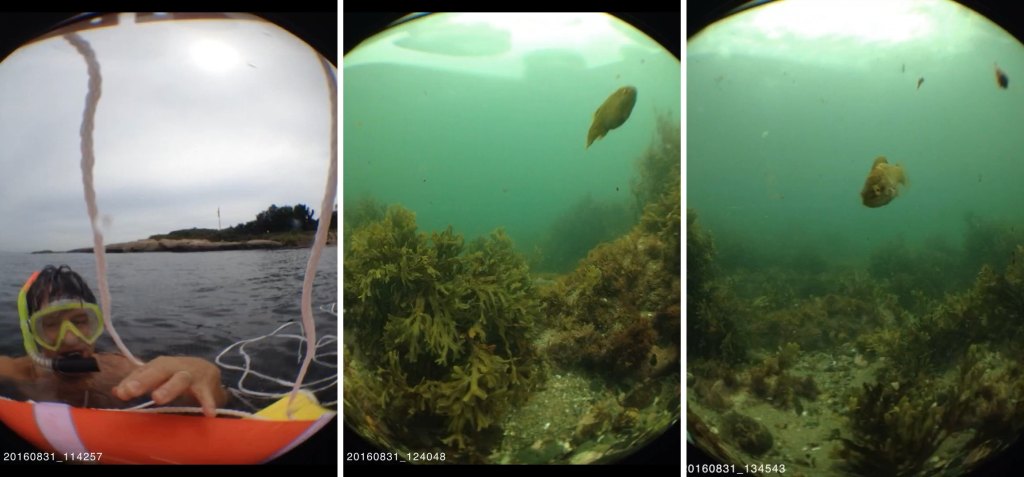
The author details his journey of utilizing satellite imaging and GPS mapping to document the history of Dogtown, then innovating citizen science efforts with Gloucester Innovation. He created AquiPods, iPhones in watertight containers, to deploy underwater, capturing marine life through time-lapse videos, enhancing awareness of oceanic ecosystems along Cape Ann.
-
A Place Called Gloucester

The Boulevard along Gloucester Harbor is a key historical and cultural site in Cape Ann, known for the Fisherman’s Memorial and fireworks displays. For its 400th anniversary, a composition titled “A Place Called Gloucester” blends varying musical influences, reflecting the area’s rich history and diverse cultural heritage.
-
Now and Then: Changes in the Landscape

The understanding of Cape Ann’s landscape evolves with its history, marked by glacial erratics and the Commons Settlement’s collapse. Originally a fishing region, small farms emerged amidst poor agricultural conditions. The decline of Dogtown transitioned into granite quarrying, posing questions about restoring the past’s scenic landscapes amidst ongoing ecological changes.
-
The Island Woods of Cape Ann
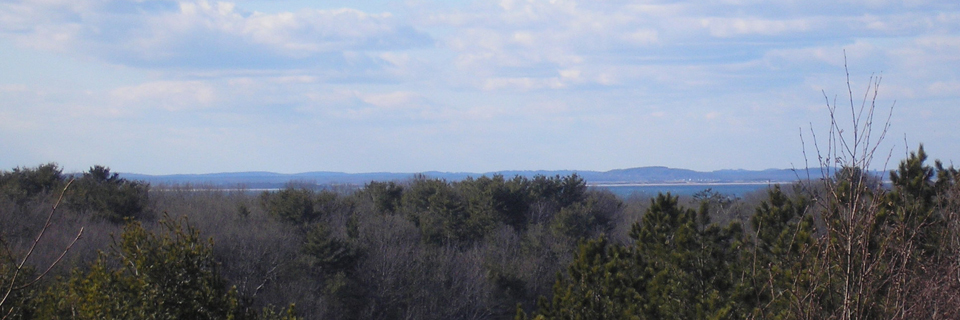
Cape Ann, known for its coastal beauty, hides a rich historical landscape within its woods. The once-thriving settlement of Dogtown, abandoned in the early 1800s, features remnants like stone walls and old quarries. Today, its intriguing history, geological features, and artistic inspiration continue to captivate historians and nature lovers alike.
 markcarlotto.com